
 Default Currency
Pashmina Scarves at Raves: How UV-Reactive Designs Brought an Old Textile to a New Crowd
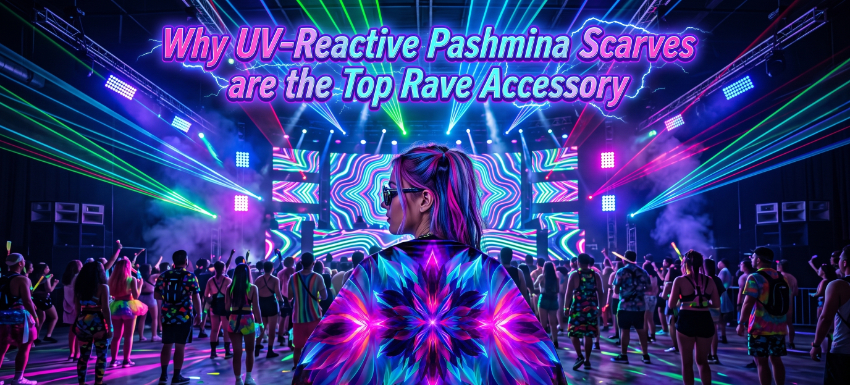
Pashmina scarves have always occupied an unusual place in fashion. They are practical, decorative, portable, and easy to style in multiple ways. Long before they became common in festival culture, pashmina-style wraps were associated with tradition, travel, layering, and personal expression. Today, that same basic format has found a younger audience: shoppers who wear UV-reactive pashminas at raves, concerts, music festivals, and late-night social events.
That shift is not random. Rave fashion rewards pieces that are visible, expressive, comfortable, and functional. A pashmina scarf checks all four boxes. It can be worn around the shoulders, wrapped as a hood, used as a light blanket between sets, tied as a face covering in dusty outdoor environments, or styled as a bright accent piece. When the design reacts under black light, it becomes part of the atmosphere rather than just another accessory.
An Old Textile Format With a Modern Use Case
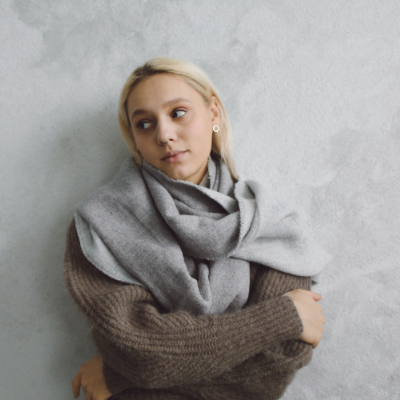
The traditional appeal of a pashmina is rooted in softness, drape, and versatility. The rectangular scarf format gives wearers a large surface area of fabric without requiring a complicated garment. That is part of why pashminas have remained relevant across boutiques, gift shops, resort stores, and specialty retail settings.
Festival culture has taken that same form and applied it to a different set of needs. At a rave, a scarf is not only decorative. It helps manage changing temperatures, adds comfort during long nights, and gives the wearer a familiar item to carry, hold, or wrap around themselves. In crowded, high-sensory environments, that sense of comfort matters.
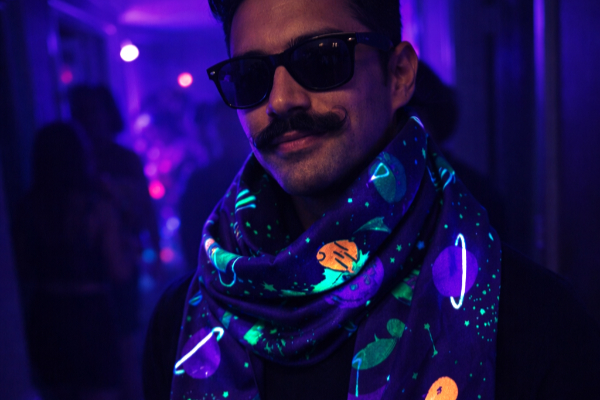
The UV-reactive version adds another layer. Under normal light, these scarves can still function like patterned fashion accessories. Under black light, fluorescent elements become more vivid, turning the textile into a moving visual object. The wearer does not need electronics, batteries, or elaborate costume construction. The scarf itself responds to the lighting environment.
Why Rave and Festival Shoppers Like Pashminas
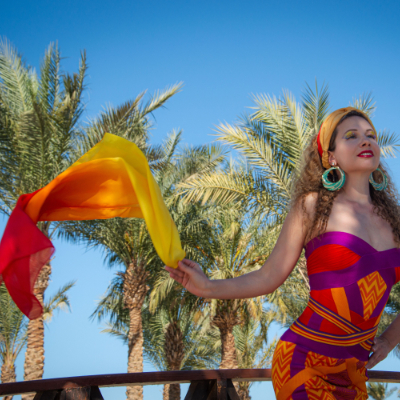
Rave apparel is often discussed as if it is only about boldness, but good festival pieces are usually practical as well. A pashmina is lightweight enough to carry all night and large enough to be useful. It can soften an outfit, add coverage when temperatures drop, or create a coordinated color story with other accessories.
That flexibility is one reason pashminas have become recognizable in the scene. They work across many aesthetics: psychedelic, celestial, bohemian, cyber-inspired, gothic, desert festival, and maximalist ravewear. One customer might choose a scarf for its glow under UV light, while another might choose it for comfort, texture, or the way it photographs.
For retailers, that creates an attractive product category. A single scarf can appeal to shoppers buying for concerts, festival weekends, costume events, gift-giving, metaphysical shops, smoke shops, boutiques, and college-town stores. The customer does not need to understand textile history to appreciate the item. They only need to see how it fits into the experience they are already building.
How Shoppers Use Pashminas at Events
Common, practical ways festival-goers put their scarves to work:- Wrapped as a hood or face cover in dust and wind
- Spread as a ground cover or light blanket between sets
- Tied as a statement sash or top layer over outfits
- Used as a comfort item that feels familiar in high-sensory spaces
The Value of Pattern, Texture, and Movement
Part of the pashmina’s success in rave culture comes from movement. Scarves do not sit flat on the body. They sway, fold, catch light, and change shape as the wearer walks or dances. A UV-reactive pattern becomes more dynamic when it is draped over shoulders, wrapped around the head, or held open in the crowd.
That movement gives the product more visual impact than a small accessory. It has enough scale to change an outfit, but it does not require the shopper to commit to a full garment. For younger buyers who want expressive fashion without losing comfort, that is a strong combination.
Patterns matter too. Celestial motifs, geometric designs, florals, skulls, mandalas, and abstract neon colorways all translate well into rave and festival styling. The best designs feel intentional in daylight and more dramatic under UV lighting.
| Design Element | Daylight Appeal | UV / Black-Light Appeal |
|---|---|---|
| Celestial & Space Themes | Soft gradients and star motifs pair well with casual streetwear. | Constellations and nebulas pop as glowing outlines in the crowd. |
| Mandalas & Geometrics | Reads as detailed, ornamental patterning. | Symmetry becomes more striking as lines fluoresce under UV. |
| Skulls & Dark Motifs | Works for gothic and alternative outfits. | Edges of the artwork glow, adding contrast against darker clothing. |
| Abstract Neon Colorways | Bright accents over basics and neutrals. | High-energy streaks of color read almost like moving light. |
Wholesale Opportunity for Retailers
For stores serving festival shoppers, college-age customers, smoke shop traffic, or gift buyers, pashminas can be a strong seasonal and year-round accessory category. They are easy to display, simple to explain, and broad enough to support repeat purchases across multiple colors and patterns.
Retailers looking to expand into this category can browse Paykoc Imports’ pashminas, including UV-reactive designs, with wholesale bulk orders available for shops that want to stock a wider selection. That matters because variety is part of the sell-through strategy. A customer choosing a rave scarf is often responding to color, pattern, and personal style, so a broader assortment can make the category more compelling.
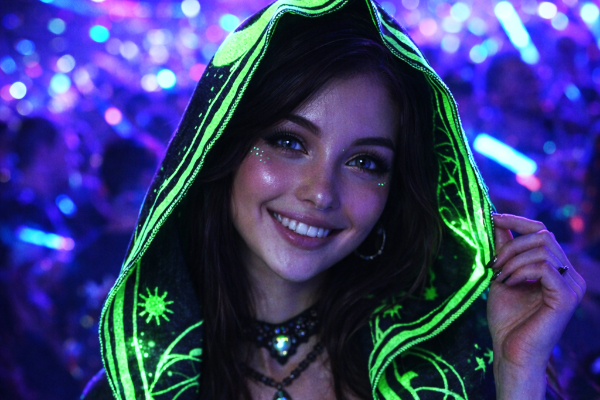
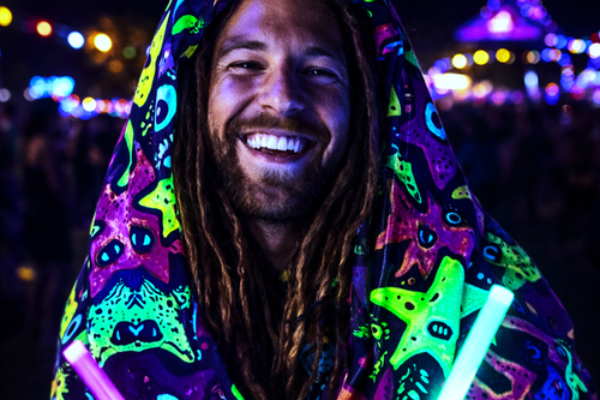
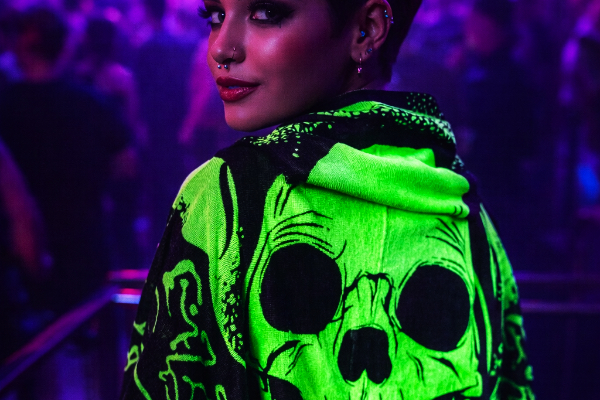
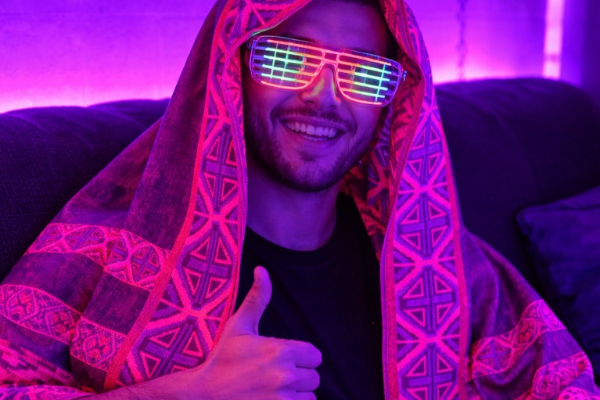
Check Out Some of Our Favorite UV-Reactive Designs Pashminas
A Traditional Accessory Reintroduced Through Experience
The rise of UV-reactive pashminas shows how older textile formats can find new life when they meet a modern cultural moment. The scarf itself is not new. What changed is the environment around it. Raves, festivals, black-light events, and visually driven social media culture have given the pashmina a new role as both comfort item and performance accessory.